Fiber vs CableInternet: What'sThe Difference?
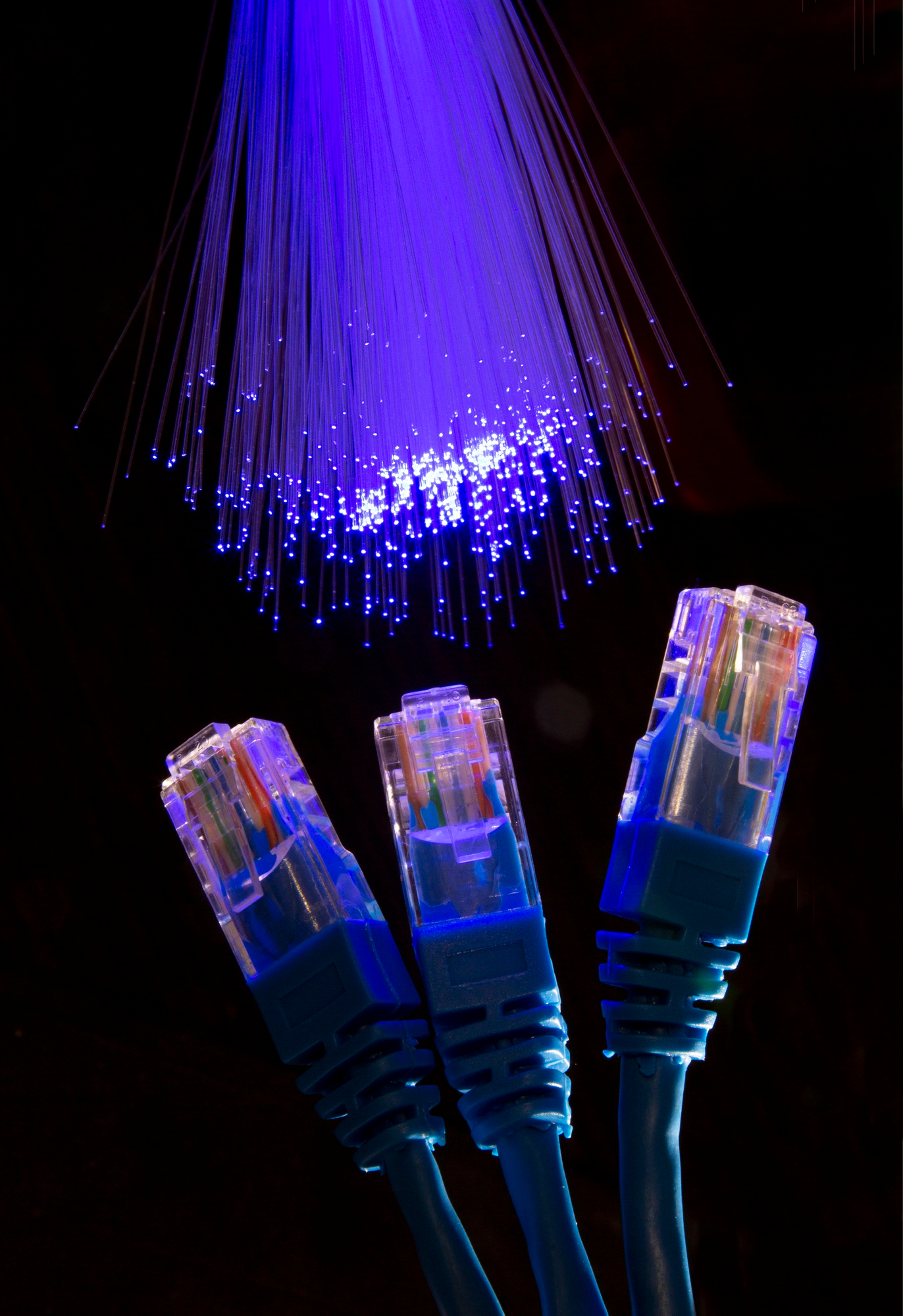
Fiber internet uses advanced fiber-optic technology to deliver extremely fast and reliable internet connections. Instead of traditional copper cables, fiber networks transmit data using pulses of light through ultra-thin glass strands.
- Helping households check high-speed fiber internet availability in their area.
What Is Fiber Internet?
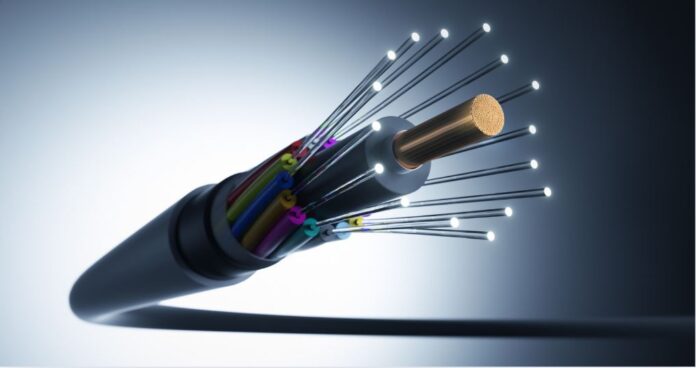
Fiber internet uses fiber-optic cables made of extremely thin strands of glass or plastic. These cables transmit data using pulses of light, allowing information to travel incredibly fast over long distances.
Because fiber internet uses light signals instead of electrical signals, it can deliver:
• extremely fast download speeds
• very fast upload speeds
• lower latency
• reliable performance
Fiber internet is considered one of the most advanced internet technologies currently available.
What Is Cable Internet?
Cable internet uses coaxial cables, which are the same type of cables used for cable television services. These cables transmit internet data using electrical signals.
Cable internet can provide relatively fast download speeds and is widely available in many areas. However, because cable networks are often shared among multiple households, speeds can sometimes slow down during periods of heavy usage.
Cable internet remains a common option in locations where fiber networks have not yet been installed.
Fiber Internet vs Cable Internet Comparison
| Feature | Fiber Internet | Cable Internet |
|---|---|---|
| Technology | Fiber-optic cables | Coaxial cables |
| Speed | Extremely fast | Moderate to fast |
| Upload Speeds | Very fast | Slower |
| Reliability | Very reliable | Can vary |
| Latency | Very low | Higher |
| Network Congestion | Less affected | More affected |
This comparison shows why many households prefer fiber internet when it is available in their area.
Fiber vs Cable Internet Speed
One of the biggest differences between fiber and cable internet is speed.
Fiber networks are capable of delivering extremely fast speeds because they transmit data using light. This allows fiber connections to handle large amounts of data quickly and efficiently.
Cable internet can still provide good speeds, but performance may fluctuate depending on how many people are using the network at the same time.
For households with many connected devices, fiber internet may offer a more consistent and reliable experience.
Fiber vs Cable Internet Reliability
Reliability is another important factor when choosing an internet connection.
Fiber internet is often considered more reliable because fiber-optic cables are less susceptible to interference and signal degradation.
Cable internet can sometimes experience slower speeds during peak hours since many homes share the same network infrastructure.
For remote work, video calls, and streaming services, a stable connection can make a significant difference in performance.
Is Fiber Internet Better Than Cable?
In many cases, fiber internet offers advantages over cable internet, particularly when it comes to speed, upload performance, and connection stability.
However, the best option for your home often depends on what services are available in your area.
Since fiber infrastructure is still expanding, some locations may currently only have access to cable internet.
Checking fiber availability is the easiest way to see if faster fiber connections may be accessible at your address.
Contact
See If Fiber Internet Is Available Near You
Fiber internet networks are expanding rapidly, but availability can vary depending on your location. If fiber service is available in your area, it may provide faster speeds and improved reliability for your household.
- Quick Call
- Fast Answers
- No Pressure