How Fiber Internet Works
Fiber internet uses advanced fiber-optic technology to deliver extremely fast and reliable internet connections. Instead of traditional copper cables, fiber networks transmit data using pulses of light through ultra-thin glass strands.
- Helping households check high-speed fiber internet availability in their area.
What Is Fiber Internet?
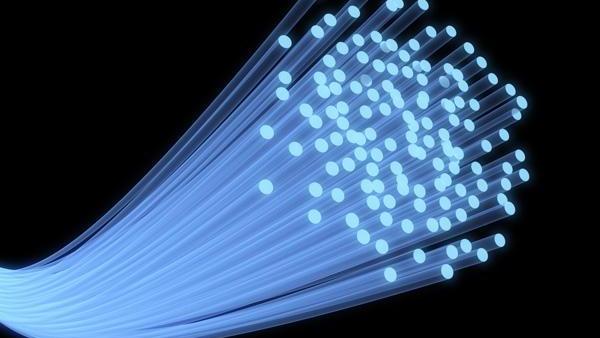
Fiber internet is a broadband connection that uses fiber-optic cables to transmit data at incredibly high speeds. These cables contain thin strands of glass or plastic that carry information using light signals.
Because data travels as light, fiber internet can move information much faster than traditional copper-based internet technologies like DSL or cable.
This allows fiber connections to support:
• ultra-fast download speeds
• faster upload speeds
• stable connections for multiple devices
Fiber technology is considered one of the most advanced internet infrastructures available today.
How Fiber Optic Technology Transmits Data
Fiber networks work by sending light signals through fiber-optic cables. These signals travel extremely quickly through the glass fibers, allowing large amounts of information to move across the network almost instntly.
Data Is Converted Into Light Signals
Internet data is transformed into light pulses using specialized equipment.
Light Travels Through Fiber Cables
These pulses travel through fiber-optic cables that run underground or along utility lines.
Signals Reach Local Network Equipment
The signals arrive at network hubs or distribution points close to homes and businesses.
Internet Is Delivered To Your Router
Finally, the connection reaches your home where a modem or router distributes the internet to your devices.
TRUST
Fiber Internet Network Infrastructure
Fiber internet relies on a network of fiber-optic cables that connect cities, neighborhoods, and homes. These cables can be installed underground, along utility poles, or within existing infrastructure.
A typical fiber network includes:
• Core Network – high-capacity backbone cables connecting major data centers
• Distribution Network – cables that extend into neighborhoods
• Last-Mile Connection – the final link that connects your home to the fiber network
This advanced infrastructure allows fiber internet to deliver consistent speeds across large distances.

Why Fiber Internet Is So Fast
Fiber internet is significantly faster than many traditional internet connections because it uses light instead of electrical signals.
This allows fiber networks to provide:
Higher Bandwidth
Fiber cables can carry much larger amounts of data at the same time.
Faster Upload Speeds
Fiber typically provides symmetrical speeds, meaning uploads are nearly as fast as downloads.
Lower Latency
Fiber networks reduce delays in data transmission, improving performance for gaming and video calls.
Less Interference
Fiber signals are less affected by electrical interference or network congestion.
Devices That Benefit From Fiber Internet
Modern households rely on many connected devices. Fiber internet can support multiple devices running simultaneously without slowing down.
Common devices that benefit from fiber connections include:
• Smart TVs for streaming
• Laptops and desktop computers
• Smartphones and tablets
• Gaming consoles
• Smart home devices
• Security cameras
With fiber internet, all these devices can operate smoothly at the same time
Fiber Internet Compared To Traditional Connections
Compared with older internet technologies, fiber internet provides significant advantages.
| Feature | Fiber Internet | Traditional Cable |
|---|---|---|
| Speed | Extremely fast | Moderate |
| Upload speeds | Fast | Slower |
| Reliability | High | Variable |
| Latency | Very low | Higher |
These advantages make fiber internet one of the most reliable options for modern households.
Check Fiber Internet Availability In Your Area
Fiber internet technology is expanding rapidly, but availability can vary depending on your location. The fastest way to find out if fiber service may be available near you is to check availability for your address.
- Quick Call
- Fast Answers
- No Pressure